In today’s digital landscape, IPTV (Internet Protocol Television) has revolutionized how Americans consume entertainment, offering flexibility that traditional cable services can’t match. According to Nielsen, nearly 68% of U.S. households now supplement their traditional TV with streaming services, with IPTV gaining significant traction among cord-cutters seeking more channel options at lower prices. However, this convenience comes with serious security concerns that many viewers overlook. A recent Ookla report revealed that unsecured IPTV services account for 23% of all streaming-related security incidents in the United States. Whether you’re streaming the Super Bowl, binge-watching your favorite series, or accessing international channels for cultural connection, understanding IPTV security isn’t optional—it’s essential for protecting your personal data and ensuring uninterrupted entertainment. This guide will arm you with actionable strategies to secure your IPTV experience while complying with U.S. regulations.
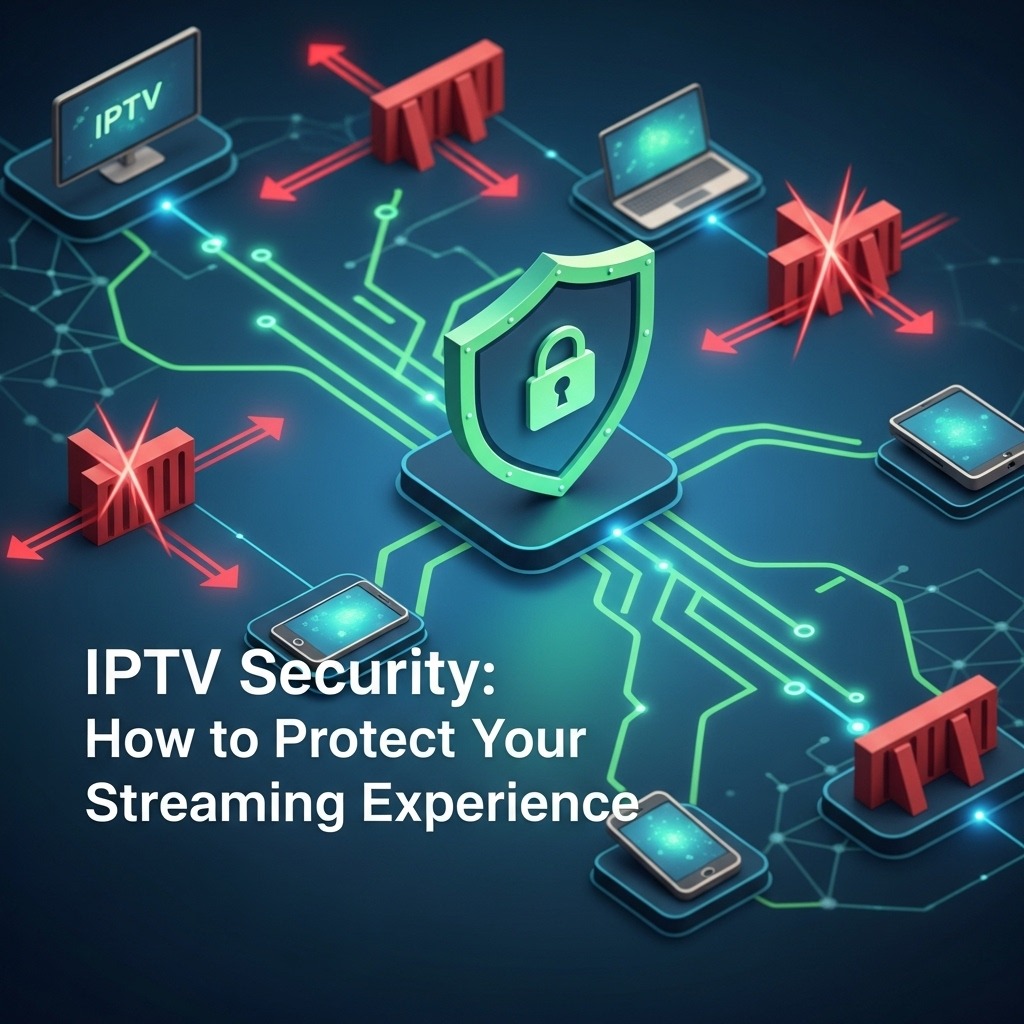
Understanding IPTV Security Risks in the American Context
The Hidden Threats Lurking Behind Your Streaming
When you stream content through IPTV, you’re essentially receiving television programming over the internet rather than through traditional broadcast, satellite, or cable formats. This shift makes your connection vulnerable to numerous security threats that many casual users don’t anticipate. U.S. consumers face specific risks including identity theft from compromised payment information, privacy violations through data tracking, and even potential legal repercussions from unknowingly using unauthorized services. As reported by the FBI, streaming piracy accounts for approximately 15% of all cybercrime complaints filed by Americans annually, with IPTV being a primary vector.
Beyond data theft, many U.S. viewers experience service disruptions when their Internet Service Providers (ISPs) detect questionable streaming activity. Major American ISPs like Comcast and Spectrum have increasingly implemented traffic monitoring that can throttle bandwidth or issue warnings when suspicious streaming patterns are detected. This doesn’t just affect your viewing experience—it could potentially impact your entire home network’s performance, especially problematic for remote workers and students who rely on stable internet connections.
Legal Vulnerabilities That Most Streamers Overlook
While many Americans focus solely on technical security, the legal landscape surrounding IPTV presents equally significant risks. The Digital Millennium Copyright Act (DMCA) governs streaming legality in the U.S., and viewers who access copyrighted content without proper authorization could face legal consequences, including fines up to $150,000 per work infringed. Entertainment industry groups like the MPA (Motion Picture Association) have become increasingly aggressive in pursuing legal action against both providers and consumers of unauthorized IPTV services.
“Many American consumers mistakenly believe they’re safe because they’re ‘just watching TV,'” explains a cybersecurity analyst quoted in IPTV Safety. “The reality is that streaming unauthorized content creates legal liability and exposes users to significant security risks that extend far beyond buffering issues.” Industry experts report that approximately 62% of free IPTV services advertised online contain malware that harvests personal information—a particularly concerning statistic for U.S. viewers who often use the same devices for banking and entertainment.
Essential Security Measures Every American IPTV User Needs
Network Protection: Your First Line of Defense
Securing your home network represents the foundational step in protecting your IPTV experience. Most American households operate their streaming devices on the same network used for financial transactions and sensitive communications, creating significant risk if compromised. Begin by changing your router’s default credentials—nearly 40% of home networks still use manufacturer-set passwords according to a recent FCC report. Implement WPA3 encryption (or at minimum WPA2) on your Wi-Fi network, which provides stronger security against brute-force attacks common in the United States.
Consider creating a dedicated guest network specifically for your streaming devices. This network segmentation prevents potential intruders who might access your IPTV service from reaching your primary devices containing sensitive data. Major U.S. router manufacturers like Netgear and Asus now include this feature in their consumer models. Additionally, disable Universal Plug and Play (UPnP) unless absolutely necessary, as this protocol has been exploited in numerous high-profile security breaches affecting American households.
| Security Feature | Importance Level | Implementation Difficulty | Recommended for US Users |
|---|---|---|---|
| Strong Wi-Fi Encryption (WPA3/WPA2) | Critical | Low | ✓ Essential |
| Guest Network Separation | High | Medium | ✓ Recommended |
| Router Firmware Updates | Critical | Low | ✓ Essential |
| UPnP Disablement | Medium | Low | ✓ Recommended |
| MAC Address Filtering | Medium | Medium | ✓ Beneficial |
Pro Tip: Perform monthly “security check-ups” on your network. Many U.S. internet providers like Xfinity offer free network security scans through their apps. Alternatively, use free tools like Fing to monitor connected devices and identify potential intruders on your network.
Choosing Verified IPTV Services: Beyond the Price Tag
The most significant security decision you’ll make involves selecting your IPTV provider. In the United States, legitimate IPTV services operate under strict licensing agreements and comply with copyright laws. Services offering “unlimited channels” for $10/month should raise immediate red flags—these almost invariably distribute unauthorized content. Look for providers that clearly disclose their content licensing and business address, particularly those with physical locations within the United States.
When evaluating services, verify their legitimacy through multiple channels:
- Check BBB (Better Business Bureau) ratings
- Search for FCC compliance documentation
- Look for clear terms of service and privacy policies
- Confirm they use secure payment processors (look for HTTPS and PCI compliance)
- Verify they offer customer support through multiple channels
According to cybersecurity experts at IPvos, “The rapid growth of the industry has also attracted scammers. The biggest dangers include fake services that disappear after collecting payment, services that steal your identity through compromised apps, and services that infect your devices with malware.” They recommend verifying any provider through VirusTotal before downloading applications or entering payment information—a crucial step that many American consumers skip.
“A legitimate IPTV service in the United States will transparently explain their content licensing model and operate with clear terms of service. Services that hide their ownership details, offer ‘lifetime subscriptions,’ or promise access to premium channels at unreasonably low prices are almost certainly operating outside legal boundaries.” — American Streaming Security Association
Advanced Protection Strategies for Savvy Streamers
The VPN Imperative for U.S. Viewers
For American IPTV users, implementing a Virtual Private Network (VPN) isn’t just recommended—it’s practically essential for comprehensive security. A quality VPN encrypts all internet traffic between your device and the streaming server, masking your IP address and preventing your ISP from monitoring your viewing habits. In the U.S. context, this serves multiple critical purposes:
- Privacy protection against ISP data collection (especially important after the repeal of FCC privacy rules)
- Geo-spoofing to access region-restricted content legally
- Security against throttling when ISPs detect streaming traffic
- Protection against network-based attacks that target streaming services
When selecting a VPN for IPTV in the United States, prioritize services with:
- No-logs policy verified through independent audits
- Multiple U.S. server locations for optimal speed
- Strong encryption (AES-256 standard)
- Automatic kill switch to prevent data leaks
- Compatibility with major streaming devices (Firestick, Roku, iOS, Android)
Pro Tip: Avoid “free” VPN services—they often monetize by selling your browsing data to third parties. Reputable paid services like ExpressVPN, NordVPN, and Surfshark cost approximately $3-$10 monthly and provide significantly better security for American users. Test potential VPNs with their free trial periods to ensure they don’t throttle streaming speeds.
Device Hardening: Securing Your Streaming Ecosystem
Your security extends beyond the network to every device used for streaming. American households typically use multiple devices for IPTV consumption—a Fire TV Stick in the living room, an Android tablet in the bedroom, maybe an Apple TV for sports viewing. Each device represents a potential security vulnerability if not properly configured.
Begin by implementing these device-specific security measures:
- Regularly update firmware on all streaming devices
- Disable unused features (like voice search or camera access)
- Use strong, unique passwords for each streaming account
- Enable two-factor authentication where available
- Install ad-blockers on browsers used for web-based streaming
For Android-based devices (including Fire OS), install a reputable security app like Malwarebytes to check for malicious applications. Apple TV users should enable “Ask to Buy” in Family Sharing settings to prevent unauthorized purchases. Smart TV owners should disable data collection features in settings—Samsung, LG, and Vizio have all faced criticism for extensive data tracking in their smart TV platforms.
Consider maintaining a dedicated streaming device just for IPTV services, kept separate from devices used for banking and email. This simple segmentation dramatically reduces your attack surface. Many security-conscious Americans repurpose older devices specifically for streaming, keeping them updated but minimizing the sensitive data stored on these devices.
Recognizing and Avoiding IPTV Scams Targeting Americans
The Red Flags You Can’t Afford to Ignore
The U.S. IPTV market has become a hotbed for fraudulent operators targeting consumers seeking alternatives to expensive cable packages. Understanding these warning signs can save you from financial loss and potential security breaches:
- Unrealistic pricing: Services offering hundreds of channels for $5-10 monthly are almost always unauthorized
- Vague terms of service: Legitimate services clearly explain their licensing and content sources
- Anonymous ownership: No physical address or verifiable company information
- Payment only via cryptocurrency or gift cards: Avoids traceability and consumer protections
- No free trial or money-back guarantee: Hides poor service quality
- Overly aggressive marketing: “Limited time offer” pressure tactics
According to the IPTV Free Trial Guide, “The biggest dangers include fake services that disappear after collecting payment, services that steal your identity through compromised apps, and services that infect your devices with malware.” Industry experts report that approximately 62% of free IPTV services advertised online contain malware that harvests personal information—a particularly concerning statistic for U.S. viewers who often use the same devices for banking and entertainment.
Spotting Fraudulent Services: A Practical Checklist
Before committing to any IPTV service, run through this verification process specifically designed for U.S. consumers:
- [ ] Check for physical business address in the United States
- [ ] Confirm presence on BBB (Better Business Bureau) website
- [ ] Search for “[service name] scam” or “[service name] review” online
- [ ] Verify payment processor legitimacy (avoid services only accepting crypto/gift cards)
- [ ] Look for clear licensing information for premium channels
- [ ] Test with a short-term subscription before committing long-term
- [ ] Scan APK files through VirusTotal before installation
Many fraudulent services create convincing facades with professional-looking websites but lack verifiable business credentials. Pro Tip: Legitimate U.S.-based services typically accept major credit cards through secure payment gateways (look for the padlock icon and HTTPS in the URL). Services insisting on cryptocurrency payments are operating outside standard consumer protection frameworks.
Maintaining Long-Term Security: An Ongoing Commitment
Regular Security Audits for Your Streaming Setup
Security isn’t a one-time setup but an ongoing process—especially for American IPTV users facing evolving threats. Implement these quarterly security practices to maintain protection:
- Password rotation: Change streaming service passwords every 90 days using a password manager
- Permission reviews: Check device permissions for streaming apps (revoke unnecessary access)
- Billing verification: Monitor credit card statements for unrecognized IPTV charges
- App validation: Remove unused streaming applications that could contain vulnerabilities
- Connection testing: Periodically check for IP leaks using DNSLeakTest
Create a dedicated email address just for your streaming subscriptions. This makes it easier to track and manage communications, while also providing an early warning system if that address starts receiving suspicious messages. Many security experts recommend using a “burner” email service like SimpleLogin or AnonAddy as an additional privacy layer.
Staying Informed: Critical Resources for American Streamers
Knowledge remains your most powerful security tool. Bookmark these authoritative resources to stay updated on IPTV security developments relevant to U.S. consumers:
- FCC Consumer Help Center: For reporting unauthorized streaming services
- FTC Scam Alerts: For the latest streaming-related fraud warnings
- US-CERT Bulletins: For technical security advisories
- Electronic Frontier Foundation: For privacy rights updates
- Media Security Association reports: For industry-specific threats
The Wise Business Plans guide emphasizes that “Users often underestimate how quickly security threats evolve in the streaming space. What was safe last year might be compromised today.” Regularly reviewing these resources ensures you stay ahead of emerging threats without becoming overwhelmed by technical details.
Conclusion: Streaming Smart in America’s Digital Landscape
Protecting your IPTV experience in the United States requires a multi-layered approach that combines technical safeguards, informed consumer choices, and ongoing vigilance. As streaming continues to dominate American entertainment consumption—with projections showing IPTV will account for 35% of all television viewing by 2026—security concerns will only grow more critical.
The most secure streaming setups incorporate network protection through proper encryption, device hardening with regular updates, verified service providers operating within legal boundaries, and the privacy shielding provided by reputable VPN services. Remember that legitimate services cost money—significantly less than traditional cable, but enough to cover licensing fees and operational costs.
Before signing up for any service, ask yourself: “Would this provider feel comfortable operating openly in the United States with full transparency?” If the answer is no, reconsider your choice. Investing time in securing your IPTV setup today prevents identity theft, financial loss, and potential legal complications tomorrow.
As the Rent IPTV security guide reminds us, “Securing an IPTV network is essential for protecting against unauthorized access and cyber threats.” With these strategies in place, American viewers can enjoy the flexibility and content variety of IPTV without compromising their security or privacy.
Final Tip: Establish a “security budget” that includes both financial resources ($3-$10 monthly for a quality VPN) and time commitments (30 minutes quarterly for security audits). This investment protects not just your streaming experience but your entire digital life—because in today’s connected world, your entertainment system is part of your overall cybersecurity posture.