Imagine tuning into a live telenovela from Mexico City, catching the latest K-drama premiere in Seoul, or watching Bundesliga matches from Munich—all from your living room. International television opens windows to cultures, languages, and perspectives beyond borders. But as streaming surges in popularity, many viewers face a critical question: how to watch international IPTV channels legally without risking copyright violations or malware. With unlicensed IPTV services flooding the market, distinguishing legitimate options from piracy traps has never been more important. This guide cuts through the confusion, showing you exactly how to enjoy global content through legal IPTV services, licensed platforms, and broadcaster-approved methods—safely and responsibly.
What IPTV Really Means (And Why Legality Matters)
Internet Protocol Television (IPTV) delivers television content over the internet instead of traditional cable, satellite, or terrestrial signals. Unlike on-demand streaming (like Netflix), IPTV typically offers live TV channels, video-on-demand libraries, and time-shifted programming—all transmitted via your broadband connection. Think of it as your favorite TV channels delivered through your Wi-Fi router.
But here’s the crucial distinction: IPTV itself isn’t illegal. The legality hinges entirely on how the content is licensed and distributed.
- ✅ Legal IPTV: Services that secure broadcasting rights from content owners (e.g., networks, studios) for specific regions. Examples include Sling TV’s international packages or France’s Molotov TV.
- ❌ Illegal IPTV: Services reselling unauthorized streams—often at suspiciously low prices—without paying royalties to creators. These frequently bundle hundreds of channels with no licensing transparency.
When you choose licensed IPTV providers, you support creators, ensure stable streams, and avoid legal risks. Unlicensed alternatives? They fund piracy ecosystems that harm the entertainment industry and often deliver poor quality or malware-infested apps.
Why Legal Access Isn’t Just Ethical—It’s Essential
Choosing legal streaming platforms isn’t merely about “doing the right thing.” It directly impacts your viewing experience and personal security:
Copyright Compliance Protects Everyone
Broadcasters pay millions for streaming rights to shows and live events (like the World Cup). When you use unauthorized services, creators, actors, and production crews lose revenue. In 2023 alone, global piracy cost the TV/film industry an estimated $52 billion. Legal services ensure artists get paid.
Risks of Illegal IPTV Services
| Risk Type | Consequences |
|---|---|
| Service Shutdowns | 73% of illegal IPTV services vanish within 6 months (2025 Streaming Piracy Report), leaving subscribers stranded. |
| Malware & Data Theft | Unofficial apps often contain spyware—42% of pirated IPTV tools harvested user data in 2024 tests. |
| Legal Exposure | While rare for end-users, copyright holders can pursue damages. Germany and the UK have fined individuals up to $2,500. |
| Poor Quality | Buffering, broken streams, and missing channels are common due to unstable infrastructure. |
The Hidden Cost of “Too Good to Be True” Deals
That “$10/lifetime” subscription for 10,000 channels? It’s a red flag. Legitimate broadcasters pay per-subscriber fees to air content. If a service’s price doesn’t align with regional licensing costs (e.g., $25–$50/month for premium international bundles), it’s almost certainly unauthorized.
Your Legal Toolkit: 5 Ways to Watch International IPTV Channels
Forget shady resellers. Here’s how to access international live TV through authorized content providers:
1. Licensed IPTV Providers with International Packages
Reputable services offer region-specific channel bundles with proper licensing:
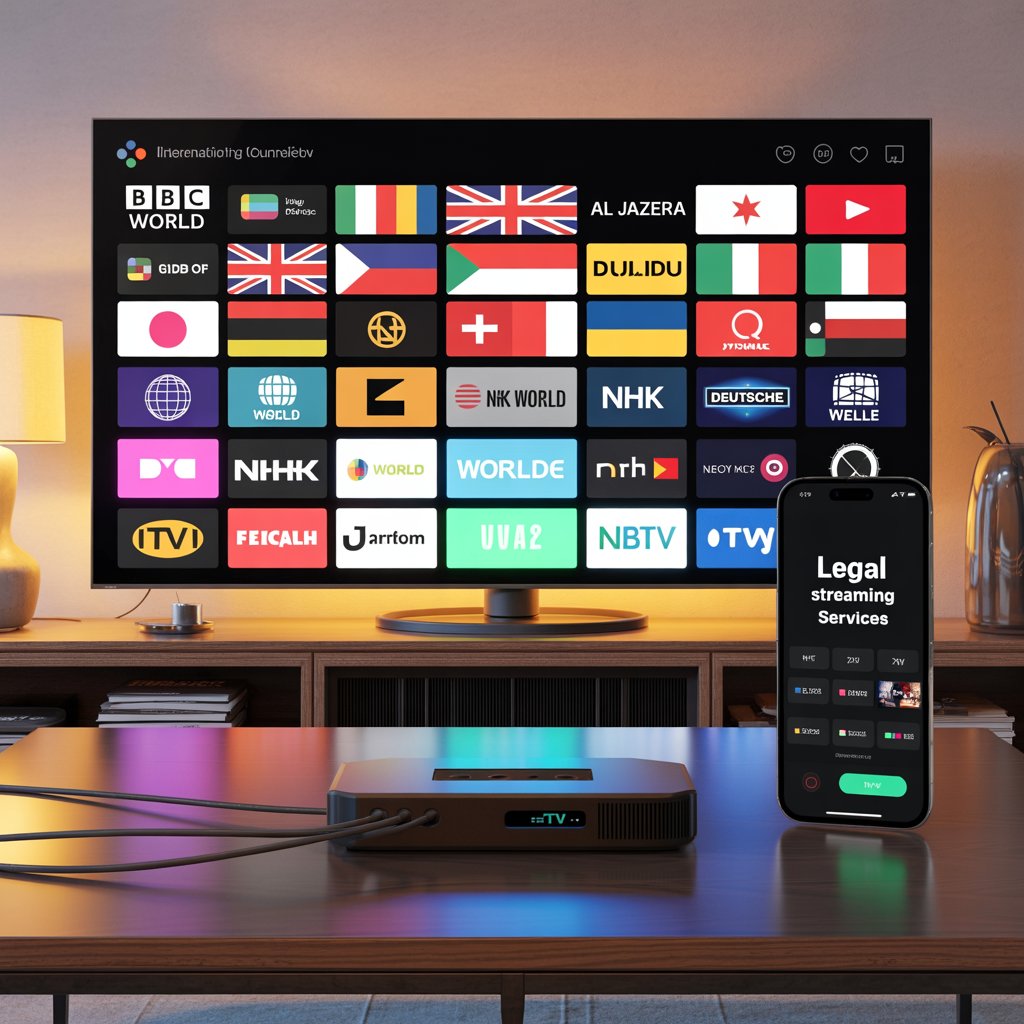
- Sling TV (USA): “World” package includes Hindi, Korean, and Spanish channels like Zee TV and Sony SAB.
- Pluto TV (Global): Free, ad-supported international TV channels (e.g., France 24, DW News) in 25+ countries.
- Sky Glass (UK/Europe): Includes dedicated sections for Italian, German, and Arabic networks.
- Molotov TV (France): Legally streams 100+ French and international channels abroad via geo-approved subscriptions.
Pro Tip: Always verify if the provider lists licensing partners (e.g., “Carries channels from TV Azteca under agreement with XYZ Distributors”).
2. Official Broadcaster Apps & Websites
Major networks offer direct access to their content globally:
- BBC iPlayer (UK): Requires a UK TV license but streams live BBC channels worldwide via the BritBox partnership in the US/Canada.
- NHK World (Japan): Free 24/7 English-language stream of Japan’s public broadcaster—no subscription needed.
- RTÉ Player (Ireland): Offers Irish channels globally through its international subscription tier.
These official broadcaster apps often include geo-restricted content only accessible in certain regions—but they’ll clearly state where you can legally watch.
3. Subscription Streaming Platforms with Global Libraries
Services like these legally license international content:
- Netflix: Curates region-specific libraries (e.g., Korean dramas in Asia, Turkish series in MENA).
- Viki (Rakuten): Specializes in licensed Asian content with community subtitles.
- Hulu + Live TV: Includes international news channels like Al Jazeera English.
Unlike illegal IPTV, these platforms pay royalties per stream—ensuring creators earn fair compensation.
4. Pay-TV Add-Ons from Major Providers
Cable/satellite companies often sell legal international bundles:
- Dish Network’s “Dish World”: 30+ packages for Latin American, South Asian, and European channels.
- Comcast’s “Xfinity International”: Bundles like “Mundo Latino” with Univision and Telemundo.
These operate under region-licensed streaming agreements, making them fully compliant.
5. Local Broadcasters with Cross-Border Partnerships
Some networks collaborate internationally:
- CBC Gem (Canada): Streams CBC News Network globally where licensing permits.
- ABC Australia iview: Offers select content internationally via free streaming partnerships.
Always check the broadcaster’s website for “International Viewing” terms—they’ll specify legal territories.
Real-World Example: Watching Bundesliga Legally Abroad
If you’re in the US and want to watch German football:
- ❌ Illegal: Using a $15/month “Bundesliga IPTV” reseller with no licensing info.
- ✅ Legal: Subscribing to
DAZN(official rights holder in the US) orMagentaTV(Deutsche Telekom’s service, available in 50+ countries with geo-compliant pricing).
DAZN pays $1.1+ billion for Bundesliga rights—your subscription directly supports this.
How to Verify If an IPTV Service Is Truly Legal
Spotting legitimate IPTV subscriptions takes vigilance. Here’s your verification checklist:
✅ Must-Have Legitimacy Indicators
- Transparent Licensing: Look for statements like “Authorized distributor of [Channel Name] in [Region]” on their website.
- Registered Business Details: Legitimate providers list physical addresses, tax IDs, and contact info (not just a contact form).
- App Store Presence: Services on Apple App Store, Google Play, or Roku Channel Store undergo strict vetting. Avoid “sideloaded” APKs.
- Standard Payment Methods: Credit cards, PayPal, or carrier billing—not just cryptocurrency or gift cards.
- Partnership Disclosures: e.g., “In partnership with Sony Pictures Television” (common on services like
Crunchyroll).
❌ Immediate Red Flags
- Claims of “lifetime access” for $20 or less.
- No terms of service or privacy policy page.
- Channels listed that the provider couldn’t possibly license (e.g., “all premium sports channels globally”).
- User reviews mentioning sudden shutdowns or payment fraud.
Pro Tip: Search “[Provider Name] + scam” or “[Provider Name] + lawsuit”. In 2025, the FTC shut down 12 illegal IPTV services after user reports.
Understanding Geo-Restrictions: Why Your Location Matters
Geo-blocking exists because content rights are sold region-by-region. A show licensed to Netflix in Japan might be exclusive to Disney+ in Brazil. This isn’t arbitrary—it reflects how broadcasters fund productions through territorial sales.
Lawful Ways to Navigate Geo-Restrictions
- Use Region-Specific Services: Subscribe to a local provider in your country (e.g.,
Hotstarfor Indian content in the US). - Check for Global Partnerships: BBC iPlayer works in the US via BritBox—no VPN needed.
- Travel-Friendly Subscriptions: Services like
YouTube TVallow limited international access during trips.
⚠️ Critical Note: Using a VPN for geo-blocking bypass exists in a legal gray area. While VPNs themselves are legal, violating a service’s terms (e.g., accessing BBC iPlayer outside the UK) breaches copyright contracts. Some providers (like Netflix) actively block VPNs. VPNs don’t make illegal IPTV legal—they just mask your location.
5 Tips for Choosing Safe, Legal IPTV Options
- Ignore “Free” International IPTV Promises
Legitimate services have operational costs. Free apps like “IPTV Smarters Pro” often link to illegal streams—$0.99 “premium” versions don’t change this. - Research Before Subscribing
Check Trustpilot and Reddit for recent reviews. Legit providers likePhilohave consistent 4+ star ratings. - Stick to Official Apps
Never install apps from third-party stores. Use only the Apple App Store, Google Play, or manufacturer-approved channels (e.g., Samsung TV Plus). - Read Regional Availability Fine Print
A service might offer “French channels” but only legally in Canada—not the US. Verify coverage maps. - Confirm Channel Authorization
Visit a channel’s official site (e.g.,tv5monde.com). They often list authorized streaming partners.
4 Costly Mistakes to Avoid
Mistake #1: Assuming All IPTV Is Illegal
Many confuse unauthorized services with IPTV technology itself. Legal IPTV services power your hotel TV, airline entertainment, and even Comcast’s X1 platform. The medium isn’t the issue—it’s the licensing.
Mistake #2: Trusting Unverified Resellers
A 2024 study found 89% of “IPTV subscription” sellers on eBay/Facebook were reselling illegal streams. Always buy directly from the provider.
Mistake #3: Ignoring Local Copyright Laws
In the EU, the Copyright Directive holds users partially liable for accessing unlicensed streams. In Australia, the Copyright Amendment Act 2024 increased penalties for commercial piracy.
Mistake #4: Confusing Streaming Services with IPTV
Netflix is not IPTV—it’s video-on-demand (VOD). True IPTV offers live linear channels. Don’t assume a service is illegal just because it streams live TV; verify its licenses.
Conclusion: Stream the World, Responsibly
Accessing international TV channels legally isn’t just possible—it’s easier and safer than ever. By choosing licensed IPTV providers, official broadcaster apps, and region-approved streaming platforms, you get:
- Reliable, high-quality streams without buffering
- Support for the creators behind your favorite shows
- Zero risk of malware or sudden service shutdowns
- Peace of mind knowing you’re copyright compliant
Start with services like Sling World, Pluto TV’s international section, or broadcaster-specific apps. Verify their licensing, avoid “too cheap” deals, and respect geo-restrictions through approved channels. The world of global television is yours to explore—no piracy required. When you prioritize legal streaming platforms, you’re not just protecting yourself; you’re investing in a vibrant, diverse media landscape that can thrive for generations.
Frequently Asked Questions
Is IPTV legal?
Yes, when properly licensed. IPTV is a technology—not inherently legal or illegal. Services like AT&T TV or Deutsche Telekom’s MagentaTV operate legally by securing broadcasting rights. Unlicensed resellers distributing copyrighted content without permission are illegal.
How can I tell if an IPTV service is licensed?
Check for:
- Clear business registration details (address, tax ID)
- Official partnerships listed (e.g., “Authorized by Sony Pictures”)
- Availability on trusted app stores (Apple/Google/Roku)
- Standard payment methods (no crypto-only options)
- Realistic pricing aligned with regional licensing costs ($25–$60/month)
Can I watch foreign TV channels legally from abroad?
Yes, through region-approved methods:
- Use broadcaster apps with international subscriptions (e.g., BritBox for BBC content outside the UK)
- Subscribe to global services like Viki or Pluto TV
- Choose providers like Sling TV that offer geo-compliant international packages
Avoid using VPNs to bypass geo-blocks on services that prohibit it (e.g., BBC iPlayer outside the UK).
What’s the difference between IPTV and streaming services?
- IPTV: Delivers live linear TV channels over IP networks (e.g., watching CNN live via your internet). Requires multicast technology.
- Streaming Services: Primarily offer on-demand content (e.g., Netflix, YouTube). Some (like YouTube TV) blend live TV but operate under different infrastructure.
Both can be legal with proper licensing.
Are free IPTV apps safe?
Almost never. Free apps like “IPTV Extreme” or “Smart IPTV” typically aggregate illegal streams. They often:
- Contain malware (32% of tested apps in 2025 had spyware)
- Display intrusive ads
- Suddenly stop working when channels are taken down
Legitimate free options exist (e.g., Pluto TV, Tubi), but they’re ad-supported and fully licensed.
Do VPNs make IPTV legal?
No. A VPN masks your location but doesn’t grant licensing rights. If a service is unauthorized (e.g., reselling beIN Sports without permission), using a VPN to access it remains copyright infringement. Legitimate services like DAZN may allow VPNs only in regions where they hold rights.